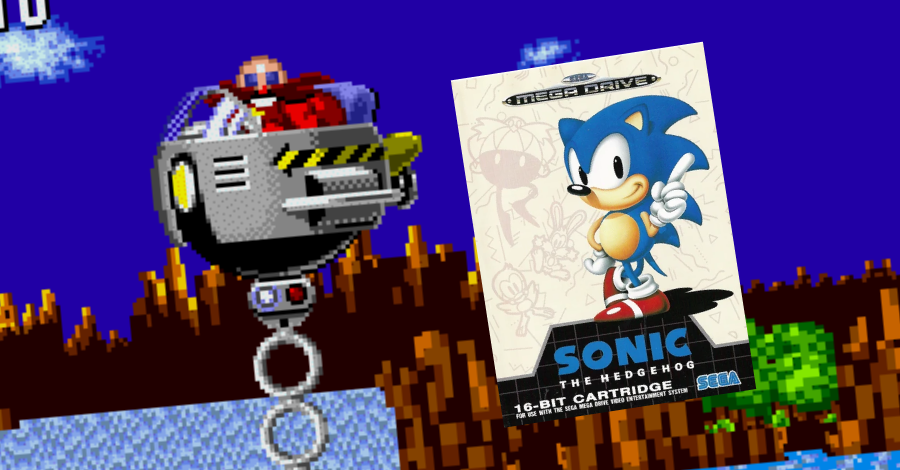
Few video games define an era quite like Sonic the Hedgehog on the Sega Mega Drive (Genesis). Released in 1991, Sonic wasn’t just another platformer — it was Sega’s bold answer to Nintendo’s Mario dominance and a statement of intent that Sega was here to compete. Over 30 years later, Sonic 1 remains one of the most important and instantly recognisable games in video game history.
In this review, we’ll take a deep dive into Sonic the Hedgehog for the Sega Mega Drive, looking at its gameplay, level design, visuals, music, legacy, and whether it still holds up today.
@briangamesdontsuck Sonic the Hedgehog 1 for the Sega Mega Drive / Sega Genesis #retrogaming #sonic #sega ♬ original sound – GamesDontSuck
The Birth of a Blue Icon – Sonic the Hedgehog on Mega Drive
Before Sonic, Sega lacked a true mascot. Nintendo had Mario, and Sega needed a character who could represent speed, attitude, and a more rebellious tone. The result was Sonic — a blue hedgehog with red shoes, a cocky grin, and an emphasis on fast-paced gameplay.
Sonic the Hedgehog was developed by Sonic Team, led by Yuji Naka and Naoto Ohshima. The goal was simple: create a game that felt faster and more exciting than anything on the Super Nintendo. From the moment Green Hill Zone begins, it’s clear Sega achieved exactly that.
Gameplay: Speed, Momentum, and Classic Platforming
At its core, Sonic the Hedgehog is a 2D side-scrolling platformer, but it plays very differently to its contemporaries. Speed is the defining feature. Slopes, loops, springs, and momentum-based physics encourage players to keep moving rather than carefully inching forward.
That said, Sonic 1 is not a game you can simply blast through on your first playthrough. While it looks fast, the game often rewards memorisation and skill. Hazards like spikes, enemies, and sudden drops can punish reckless play, forcing players to learn level layouts before mastering speed runs.
Sonic’s move set is simple:
- Run and jump
- Spin attack (jumping into enemies)
- Collect rings for protection
Unlike later Sonic games, Sonic 1 does not include the spin dash, making momentum management more important. This gives the game a slightly slower, more deliberate feel compared to Sonic 2, but it also adds challenge and tension.
Level Design: Iconic Sonic Zones and Smart Variety
Sonic the Hedgehog features six main zones, each split into three acts:
- Green Hill Zone
- Marble Zone
- Spring Yard Zone
- Labyrinth Zone
- Star Light Zone
- Scrap Brain Zone
Green Hill Zone is one of the most iconic opening levels in gaming history. Its bright colours, flowing layout, and catchy music instantly sell Sonic’s sense of speed and fun.
As the game progresses, the difficulty ramps up significantly. Marble Zone slows things down with lava hazards and moving platforms, while Labyrinth Zone is infamous for its underwater sections and air management mechanics. These slower levels are divisive — some players appreciate the variety, while others feel they clash with Sonic’s speed-focused design.
Star Light Zone brings speed back into focus with open layouts and vertical platforming, while Scrap Brain Zone delivers a challenging and punishing finale that tests everything you’ve learned.
Visuals: Pushing the Sega Mega Drive Hardware
For a 1991 release, Sonic the Hedgehog looks incredible. The Sega Mega Drive’s colour palette is used to full effect, with vibrant backgrounds, detailed sprites, and smooth animations.
Sonic himself is full of personality. From his impatient foot-tapping when idle to his expressive animations, he feels alive in a way few 16-bit characters did at the time.
Each zone has a strong visual identity, making levels easy to remember and instantly recognisable. Even today, Green Hill Zone imagery is synonymous with the Sonic brand.
Soundtrack: A Timeless 16-Bit Sonic Soundtrack
The music in Sonic the Hedgehog is legendary. Composed primarily by Masato Nakamura, the soundtrack blends catchy melodies with upbeat rhythms that perfectly complement the game’s pace.
Tracks like Green Hill Zone, Star Light Zone, and Scrap Brain Zone are still instantly recognisable decades later. The Mega Drive’s sound chip gives the music a sharp, energetic feel that fits Sonic’s personality perfectly.
Even the sound effects — collecting rings, defeating enemies, losing rings — are iconic and deeply ingrained in gaming culture.
Difficulty, Replay Value, and Chaos Emeralds
Sonic the Hedgehog can be deceptively difficult. Enemy placement, sudden hazards, and the lack of modern quality-of-life features mean mistakes can be costly. Losing all your rings just before a hit still hurts.
The game includes special stages accessed by collecting 50 rings and reaching the end of a level. These rotating, maze-like stages are used to collect Chaos Emeralds, adding replay value for completionists.
Speedrunning is where Sonic 1 truly shines today. Mastering level layouts and maintaining momentum makes repeat playthroughs rewarding, especially for experienced players.
Legacy and Impact of Sonic the Hedgehog (1991)
Sonic the Hedgehog didn’t just launch a franchise — it helped define Sega’s entire brand identity during the 1990s. Sonic became a cultural icon, appearing in cartoons, comics, merchandise, and countless sequels.
The success of Sonic 1 paved the way for classics like Sonic the Hedgehog 2 and Sonic CD, while also cementing Sega as a serious competitor in the console wars.
Modern Sonic games still reference Sonic 1 heavily, particularly Green Hill Zone, which continues to appear in remakes, sequels, and spin-offs.
Does Sonic the Hedgehog Still Hold Up Today?
Despite its age, Sonic the Hedgehog remains highly playable today. While some level design choices feel dated, the core gameplay, visuals, and music still shine.
New players may find Sonic 2 more accessible, but Sonic 1 is essential for understanding the series’ roots. It’s a game that rewards patience, practice, and mastery rather than pure speed.
Final Verdict: Sonic the Hedgehog on Sega Mega Drive
Sonic the Hedgehog (1991) is a landmark title that helped shape the future of video games. Its emphasis on speed, momentum-based gameplay, and strong audiovisual presentation made it stand out in a crowded genre.
While not perfect, Sonic 1 remains a must-play for retro gaming fans and an important piece of gaming history.
Score: 8.5 / 10
If you care about classic platformers, Sega history, or simply want to understand why Sonic became a legend, Sonic the Hedgehog on the Sega Mega Drive is still worth playing today.
Buy Sonic the Hedgehog 1 on eBay
Copies of Sonic the Hedgehog 1 are in demand. Check out eBay listings below: