
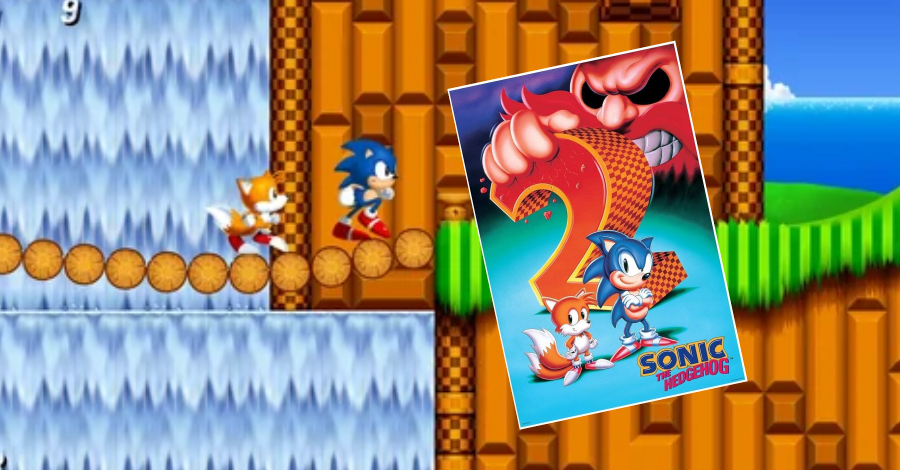
When Sonic the Hedgehog burst onto the scene in 1991, he instantly became Sega’s answer to Nintendo’s Mario, offering speed, style, and attitude that captured a generation. But it was the 1992 release of Sonic the Hedgehog 2 for the Sega Mega Drive that cemented the blue blur’s place in gaming history, not just as a mascot, but as a phenomenon. Nearly three decades later, Sonic 2 remains a landmark in platform gaming, combining technical prowess, design innovation, and sheer fun in a package that still resonates.
Gameplay and Mechanics
Sonic 2 built on the foundation laid by the original, refining the speed-based platforming formula while introducing new mechanics that dramatically increased its depth. The most notable addition is Tails, Sonic’s two-tailed fox companion. Tails not only allows for cooperative gameplay—letting a second player join the action—but also serves as an AI-controlled sidekick for single players. His ability to fly temporarily opened up previously inaccessible areas, adding a new layer of exploration and strategy.
The core gameplay remains the heart of Sonic 2: sprinting through vibrant, intricately designed levels, collecting rings, and dodging enemies while maintaining momentum. Unlike Mario, whose platforming emphasizes precision, Sonic emphasizes rhythm and flow. Players are rewarded for maintaining speed, chaining loops, jumps, and springboards together to create a seamless run. Levels are meticulously crafted to accommodate this, offering multiple routes and hidden secrets that encourage replayability.
Sonic 2 also introduced the spin dash, a game-changing move that allows Sonic to charge up and burst forward from a standstill. This addition solved a common frustration in the first game—starting from zero momentum on flat surfaces—and gave the gameplay a fresh, satisfying sense of speed and fluidity. Combined with Sonic’s inherent momentum-based movement, the spin dash gave players a tangible sense of power and control, making high-speed platforming more accessible without sacrificing challenge.
Level Design
One of Sonic 2’s greatest strengths is its level design. Each zone feels distinct, from the lush, loop-laden Emerald Hill Zone to the industrial, gear-filled Chemical Plant Zone, and the surreal, abstract Metropolis Zone. Designers cleverly balance speed and platforming, giving players thrilling opportunities to dash through loops and ramps while also requiring careful timing and exploration to uncover hidden pathways.
Secret routes are abundant, and the game encourages players to replay levels to uncover every ring, spring, and hidden exit. The introduction of Star Posts, which serve as checkpoints and markers for accessing bonus stages, was another smart innovation. These bonus stages, accessible by collecting 50 rings and jumping into a giant ring at a Star Post, offered chaotic, fun sequences with the chance to collect Chaos Emeralds—precursors to the “true ending” of the game.
Visuals and Audio
Technically, Sonic 2 is a marvel for the 16-bit era. The game runs smoothly at high speed, with minimal slowdown even in complex zones with multiple enemies and environmental hazards. The graphics are colorful and expressive, with each zone sporting its own palette and style. Loops, springs, and obstacles are animated fluidly, giving Sonic a kinetic, alive feeling. Backgrounds are layered and scrolling, creating a sense of depth that enhances the sensation of speed.
The soundtrack, composed by Masato Nakamura, is iconic. From the upbeat, rolling rhythm of Emerald Hill Zone to the tense, mechanical beats of Chemical Plant Zone, the music perfectly complements the gameplay. Each track is memorable and distinct, and many have become embedded in gaming culture as some of the most recognizable tunes of the 16-bit era. Sound effects are equally effective, from the satisfying “ring collection” chime to the spin dash whoosh, adding weight and feedback to Sonic’s actions.
Challenge and Replayability
Sonic 2 strikes a fine balance between accessibility and challenge. Early zones introduce basic mechanics and enemies gently, allowing new players to get comfortable with the speed-focused gameplay. As the game progresses, hazards become more complex, requiring precise timing, split-second decision-making, and memorization of enemy patterns. Boss battles against Dr. Robotnik (or Dr. Eggman, depending on your preferred naming) are well-paced and clever, offering predictable patterns that players can learn but never entirely dominate on the first try.
Replayability is high, thanks to multiple paths, hidden bonus stages, and the pursuit of the elusive Chaos Emeralds. Achieving all seven Chaos Emeralds allows Sonic to transform into Super Sonic, a godlike, invincible version with increased speed, rewarding players for mastery and exploration. This not only adds incentive to replay levels but also significantly alters the gameplay experience, providing a sense of ultimate accomplishment.
Cultural Impact
Sonic 2 was more than a game—it was a statement. Sega’s marketing positioned Sonic as cooler, faster, and edgier than Mario, and Sonic 2 lived up to that promise. The game helped the Sega Mega Drive solidify its place in households worldwide, driving console sales and fueling the ongoing console wars of the early ’90s. Its introduction of Tails laid the groundwork for character-driven co-op gameplay in platformers, while mechanics like the spin dash and Star Posts influenced countless future titles.
Moreover, Sonic 2’s design philosophy—emphasizing momentum, speed, and multiple pathways—has left a lasting legacy on platformers and action games. Many modern platformers and speed-focused games owe a debt to its level design sensibilities, including how it rewards exploration without compromising the thrill of high-speed action.
Criticisms
While Sonic 2 is widely celebrated, it isn’t without minor flaws. Some players find certain zones overly complex or chaotic, with high-speed segments that can be punishing if not executed perfectly. The AI for Tails in single-player mode can occasionally be clumsy, getting in the way rather than assisting. Additionally, while replayability is high, some players might struggle to achieve all Chaos Emeralds due to the challenge of bonus stages—a design choice that may feel frustrating rather than rewarding to certain audiences.
Despite these minor criticisms, the game’s strengths far outweigh its weaknesses. The pace, polish, and personality of Sonic 2 make it a standout title even decades after its release.
Conclusion
Sonic the Hedgehog 2 is more than just a sequel—it’s a refinement, expansion, and celebration of everything that made Sonic a household name. Its combination of speed-based gameplay, inventive level design, memorable music, and charming visuals creates an experience that is thrilling, challenging, and endlessly fun.
Whether you’re a retro gamer revisiting the Mega Drive or a newcomer exploring classic platformers for the first time, Sonic 2 delivers a timeless experience. It is a shining example of how thoughtful design, attention to detail, and a bit of attitude can elevate a game from good to legendary. Three decades on, Sonic 2 remains fast, fun, and utterly unforgettable—a true masterpiece of 16-bit gaming.
Score: 9.8/10
Sonic 2 is not just a game; it’s a benchmark. It defined an era, set standards for speed-focused platformers, and continues to inspire designers, players, and creators alike. If you haven’t experienced it yet, do yourself a favor: fire up your Mega Drive, collect those rings, and feel the thrill of Sonic blazing through some of the best levels the 16-bit era had to offer.