
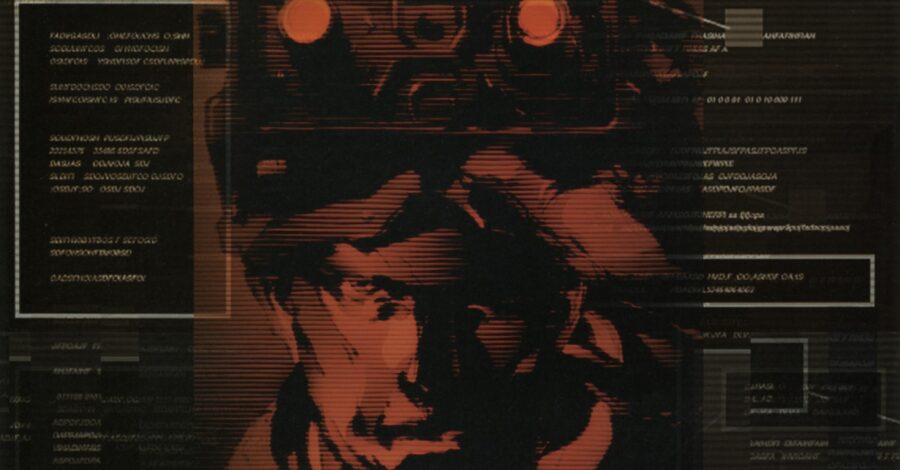
History: The Moment Stealth Became Cinema
There are games that age, and then there are games that become landmarks. Metal Gear Solid 1 PS1 is absolutely the latter. Released in 1998 for the original PlayStation, Hideo Kojima’s tactical espionage masterpiece didn’t just refine stealth gameplay; it dragged video game storytelling into a new era, kicked open the door, and announced that games could be tense, political, weird, emotional, and wildly cinematic all at once.
Before this, the Metal Gear series already had roots on older hardware, but for many players, this was the first time Solid Snake felt like more than a sprite sneaking past guards. Shadow Moses Island became a living nightmare of nuclear threats, genetic soldiers, double-crosses, codec conversations, and bosses with more personality than entire modern game casts. Metal Gear Solid 1 PS1 arrived at the perfect time, when 3D gaming was still rough around the edges but bursting with possibility. Kojima Productions used those limitations like a weapon.
Playing it today, you can feel the late-90s ambition in every corridor. The game wants to be a spy thriller, an anime, a military drama, a fourth-wall-breaking magic trick, and a stealth puzzle box. Somehow, it pulls it off. That is why people still talk about it with reverence instead of just nostalgia.
Gameplay: Sneaking, Improvising, Surviving
At its core, Metal Gear Solid 1 PS1 is about staying unseen. You guide Solid Snake through the nuclear weapons disposal facility on Shadow Moses, avoiding guards, cameras, laser traps, wolves, tanks, cyborg ninjas, and all kinds of beautifully ridiculous obstacles. The cone-of-vision radar is simple but brilliant, giving you just enough information to plan your next move without making the game feel automatic.
This is not a run-and-gun shooter, and if you try to play it that way, the game will slap the controller out of your hands. Snake is capable, but he is not a bullet sponge. Success comes from crawling under objects, knocking on walls to distract guards, using chaff grenades to disable electronics, hiding in cardboard boxes, and learning enemy patrol routes. Every room is a little stealth puzzle, and the best moments happen when a plan falls apart and you have to improvise.
The controls are very much of their time. Movement is a little stiff, aiming in first-person is limited, and shooting can feel clunky if you are used to modern twin-stick precision. But once you adjust, there is a deliberate rhythm to it. The game is built around its control scheme, not fighting against it. The overhead camera gives each area a tactical board-game quality, while quick first-person peeks let you check corners and line up shots.
What really makes the gameplay sing is variety. One minute you are sneaking through snowfields and ventilation shafts, the next you are rappelling, fighting a Hind D helicopter, surviving a torture sequence, or trying to figure out which codec frequency is literally printed on the back of the game’s CD case. That kind of design is cheeky, memorable, and impossible to forget. Metal Gear Solid 1 PS1 constantly asks you to think outside the screen.
Story and Characters: Glorious, Messy, Unforgettable
The plot begins with a simple mission: infiltrate Shadow Moses, rescue hostages, and stop a terrorist group called FOXHOUND from launching a nuclear weapon. Naturally, it spirals into genetic engineering, government conspiracies, philosophical speeches about war, and personal trauma. It is melodramatic in the best possible way.
Solid Snake is the perfect reluctant hero: gruff, tired, skilled, and quietly compassionate beneath the gravel. Liquid Snake is pure theatrical villainy, all swagger and resentment. Revolver Ocelot steals every scene he enters. Meryl brings heart and vulnerability. Otacon could have been comic relief, but he becomes one of the game’s emotional anchors. Then there are the bosses: Psycho Mantis, Sniper Wolf, Vulcan Raven, Decoy Octopus, and more. Each one feels like a comic-book legend dropped into a military thriller.
Yes, the writing can be heavy-handed. Characters explain their motivations at length, codec calls can run long, and the science gets absolutely wild. But the sincerity is what makes it work. Metal Gear Solid commits completely. It believes in its world, its themes, and its heartbreak. That conviction is rare, and it gives the game a soul that still cuts through decades later.
Graphics: Blocky, Moody, and Still Stylish
Let’s be honest: Metal Gear Solid 1 PS1 looks old. Faces are low-detail, hands are often implied rather than modeled, textures wobble, and environments are made from chunky polygons. If your only exposure to Snake is through later remasters or modern action games, the original PlayStation visuals may take a few minutes to settle in.
But once they do, the art direction takes over. Shadow Moses is cold, industrial, and oppressive. The snowy exterior, metallic hallways, underground base sections, and eerie labs all feel distinct. The game uses color and lighting smartly, creating atmosphere even with limited hardware. The character animations also deserve praise. Snake’s crouch, crawl, wall-press, and idle movements communicate professionalism and tension. Guards react clearly, bosses have strong silhouettes, and cutscenes are directed with real flair.
This is one of those PS1 games where the limitations almost help. Your imagination fills in the gaps, and the result feels bigger than what is technically on screen. The cinematic camera angles, dramatic close-ups, and confident staging give the game an identity that many cleaner-looking games lack.
Sound: Voice Acting That Changed the Game
The sound design is a huge reason Metal Gear Solid 1 PS1 still lands. The voice acting was a revelation in 1998, and even now it has a pulpy charm that is hard not to love. David Hayter’s Snake is iconic for a reason. His performance is raspy, controlled, and instantly recognizable. The supporting cast brings serious energy too, from Liquid’s theatrical venom to Otacon’s nervous humanity.
The music is tense, emotional, and perfectly timed. Alert themes spike your blood pressure the instant you are spotted. Quieter tracks make the base feel lonely and dangerous. The ending theme, “The Best Is Yet To Come,” still has the power to flatten longtime fans. Sound effects are just as important: the codec beep, the alert siren, footsteps on metal floors, and the satisfying click of equipment menus are burned into gaming history.
Even the silence matters. When you are crawling through a vent or waiting behind a crate while a guard passes inches away, the audio sells the suspense. This is not just background noise; it is part of the stealth language.
Difficulty: Fair, Strange, and Occasionally Brutal
Metal Gear Solid 1 PS1 is not impossibly hard, but it does expect patience. New players may struggle with the controls, the camera perspective, and the game’s habit of hiding solutions in unusual places. Boss fights are less about raw reflexes and more about understanding the gimmick. Psycho Mantis reads your inputs. Sniper Wolf demands careful positioning. Vulcan Raven turns the arena into a deadly maze. The game wants you to observe before you act.
Some parts can feel dated. Backtracking for keycards and temperature-based puzzles may test modern patience. The torture sequence can be rough, especially if you are trying for a specific ending. But the challenge usually feels earned. When you finally master a room or defeat a boss, the satisfaction is huge because you solved it, not because the game handed you a glowing objective marker.
Final Verdict: A PS1 Essential That Still Deserves Respect
Metal Gear Solid 1 PS1 is not perfect by modern standards, but perfection is not why it matters. It matters because it is bold. It is stylish. It is strange. It takes risks constantly, from fourth-wall-breaking boss mechanics to long codec conversations about nuclear deterrence and human identity. It is a stealth game, a spy movie, a tragedy, and a fever dream all packed onto two PlayStation discs.
If you demand modern controls and pristine visuals, you may need a little patience. But if you care about video game history, memorable characters, inventive design, and atmosphere thick enough to cut with a combat knife, this is mandatory playing. Few games have left fingerprints this deep on the industry. Fewer still remain this gripping after so many years.
Metal Gear Solid 1 PS1 is the kind of classic that reminds you why people fall in love with games in the first place. It is tense, clever, dramatic, and overflowing with personality. Shadow Moses is still calling, and honestly, it is worth answering.
Buy metal gear solid 1 ps1 on eBay
Looking for a copy of metal gear solid 1 ps1?
View current eBay listings