A Sega Mega Drive Classic That Still Feels Dangerous
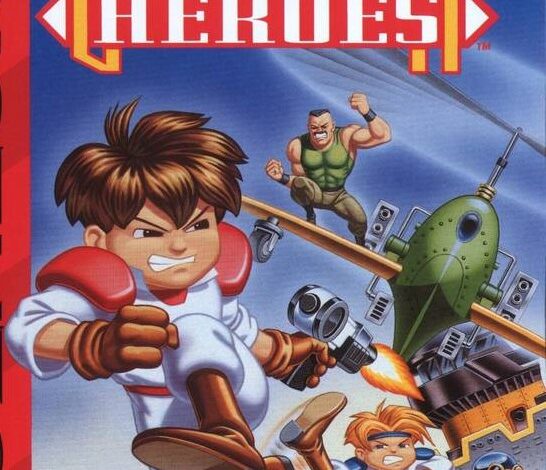
Some games politely ask for your attention. Gunstar Heroes kicks the door off its hinges, sprays the room with laser fire, and dares you to blink. Released for the Sega Mega Drive, Treasure’s run-and-gun debut is one of those rare 16-bit games that still feels wild, inventive, and slightly unhinged decades later. It is loud, fast, colorful, and packed with the kind of arcade energy that made the Mega Drive feel like the coolest machine on the planet.
This Gunstar heroes Sega Mega Drive review is not about nostalgia for nostalgia’s sake. Yes, the game has a legendary reputation, and yes, it sits proudly among the system’s elite. But the real question is whether it still plays well today. The answer is a thunderous yes. Gunstar Heroes remains a blistering action game with tight controls, clever weapon systems, absurd boss battles, and a level of technical showmanship that makes you wonder how Treasure pulled it off on Sega’s 16-bit hardware.
History: Treasure Arrives With a Bang
Gunstar Heroes launched in 1993, developed by Treasure and published by Sega. Treasure was formed by former Konami developers, and you can feel that pedigree immediately. These were people who understood arcade pacing, responsive controls, and boss design, but Gunstar Heroes also proved they were not interested in simply copying the past. This was a studio making a statement.
At the time, the Mega Drive already had strong action credentials. Contra: Hard Corps would arrive soon, Streets of Rage was huge, and Sonic had given Sega its identity. Gunstar Heroes still managed to stand apart because it felt restless. Every stage introduces a new gimmick, every boss has a strange personality, and the game constantly bends its own rules. One minute you are blasting through soldiers on foot, the next you are riding a mine cart, fighting on a dice board, or clinging to the side of a flying craft while the screen fills with bullets.
The story is classic Saturday morning anime chaos. The Gunstar family must stop an evil empire from reviving a destructive god-like weapon using powerful gems. It is simple, bright, and dramatic enough to give the action some flavor without ever slowing the game down. Gunstar Heroes knows exactly what it is: a pure action showcase built to impress from the first shot to the final explosion.
Gameplay: Controlled Chaos at Its Finest
The heart of Gunstar Heroes is its weapon system, and it is still brilliant. You choose from four basic weapon types: Force, Lightning, Chaser, and Fire. The magic happens when you combine two weapon pickups to create hybrid attacks. Force plus Force gives you a heavy machine-gun spread. Lightning plus Chaser creates a homing laser. Fire plus Chaser produces a tracking flame weapon that melts enemies with gorgeous 16-bit excess. There are sixteen combinations in total, and experimenting with them is half the fun.
Before starting, you also choose between Free Shot and Fixed Shot. Free Shot lets you move while firing, giving the game a more fluid, modern feel. Fixed Shot locks your character in place while shooting, making aiming easier and giving the action a more traditional run-and-gun rhythm. This choice seems small, but it changes how you approach the whole game. I usually prefer Free Shot because Gunstar Heroes is at its best when you are weaving through danger, sliding under attacks, and firing like a maniac.
Movement is snappy and expressive. You can jump, slide, grab enemies, throw them, and even perform close-range attacks. That throw mechanic is not just decorative. Tossing enemies into each other is ridiculously satisfying, and it gives the combat a physical crunch many shooters lack. Gunstar Heroes is not just about holding down the fire button. It rewards aggression, positioning, and quick reactions.
The stage variety is outrageous in the best way. The opening levels can be tackled in different orders, giving the game a flexible structure. Each one has its own identity, from military bases to flying battleships to the infamous board-game stage where dice rolls determine your next encounter. That level could have been a cheap gimmick, but it works because the encounters are fast and weird. Treasure keeps throwing ideas at the screen, and almost all of them stick.
Boss Battles: The Real Treasure Showpiece
If Gunstar Heroes has one defining feature, it is boss design. The bosses are not just bigger enemies with more health. They are set pieces. They transform, split apart, crawl across the screen, bend into strange shapes, and attack with patterns that feel theatrical without becoming unfair. Seven Force is the superstar here, a multi-form mechanical boss that changes into different attack modes and remains one of the most memorable fights on the Mega Drive.
There is a sense of personality in every encounter. Some bosses are intimidating, some are goofy, and some feel like Treasure’s programmers were showing off because they knew they could. Massive sprites rotate, stretch, and animate with an energy that still looks fantastic. Even when the screen is packed with explosions, the game remains readable enough to keep you fighting instead of guessing.
Graphics: 16-Bit Mayhem With Style
Visually, Gunstar Heroes is a feast. The Sega Mega Drive was not always known for subtle color work, but Treasure squeezes an incredible amount of life out of the hardware. The characters are small but expressive, the backgrounds are bold, and the animation is loaded with momentum. Explosions blossom across the screen, enemies fly backward, and bosses contort in ways that feel almost impossible for the system.
What impresses most is how busy everything is without collapsing into visual mud. Gunstar Heroes loves chaos, but it is designed chaos. Bullets, enemies, platforms, and power-ups are usually easy to identify, even when the action gets ridiculous. There can be slowdown when the screen becomes especially crowded, but honestly, it rarely hurts the experience. If anything, those brief dips sometimes make the carnage feel even heavier.
The art direction also has that unmistakable early Treasure energy: bright, exaggerated, mechanical, and slightly bizarre. It is not gritty like some Western action games of the era, and it is not cute in the Sonic sense. It has its own flavor, somewhere between anime action and arcade fever dream.
Sound: Loud, Punchy, and Pure Mega Drive
The soundtrack by Norio Hanzawa is aggressive, funky, and unmistakably Mega Drive. It uses the system’s crunchy sound chip with confidence, delivering tracks that push you forward without letting up. The music has that metallic Sega edge, full of driving bass lines and sharp melodies that fit the action perfectly.
Sound effects are just as important. Weapon fire has bite, explosions have weight, and enemy impacts feel satisfying. The game is noisy, but in a good way. It sounds like an arcade cabinet that has been plugged directly into your nervous system. If you love the raw texture of Mega Drive audio, Gunstar Heroes is an absolute treat.
Difficulty: Tough, Fair, and Best With a Friend
Gunstar Heroes is not a pushover. It can be cleared by determined players, but it demands attention. Enemy fire comes quickly, bosses have layered patterns, and careless play will drain your health fast. That said, the difficulty rarely feels cheap. You usually know why you got hit, and the generous weapon options let you adapt your strategy.
Co-op is where the game becomes legendary. Playing with a friend turns Gunstar Heroes into joyful chaos, especially because both players can accidentally interfere with each other in hilarious ways. You will steal weapon drops, block movement, and occasionally blame your partner for everything. It is brilliant couch multiplayer, the kind that creates shouting, laughing, and immediate requests for one more run.
The game’s replay value is strong because different weapon combinations genuinely change the experience. Some setups feel overpowered, some are risky, and some are just fun to watch. Learning which weapons suit each stage gives the game lasting depth beyond its relatively short length.
Final Verdict: A Must-Own Mega Drive Masterpiece
Gunstar Heroes is one of the finest action games on the Sega Mega Drive and one of the best run-and-gun shooters of the 16-bit era. It is inventive without being messy, challenging without being cruel, and stylish without sacrificing playability. Treasure’s debut still feels like a studio bursting with ideas and refusing to save any of them for later.
Is it perfect? Not quite. A few sections are more chaotic than elegant, and some weapon combinations are clearly more useful than others. But those are tiny complaints against a game this energetic and confident. Gunstar Heroes is the kind of title that reminds you why retro gaming matters. It is not preserved in amber; it is alive, explosive, and still capable of embarrassing plenty of modern action games.
If you own a Mega Drive, this belongs in your collection. If you love arcade shooters, it belongs near the top of your list. And if you have somehow never played it, stop waiting. Gunstar Heroes is not just a great Sega game. It is a reminder of what happens when talented developers are given freedom, hardware limitations, and absolutely no fear.
Score: 9.5/10
Buy Gunstar heroes Sega Mega Drive on eBay
Looking for a copy of Gunstar heroes Sega Mega Drive?
View current eBay listings