
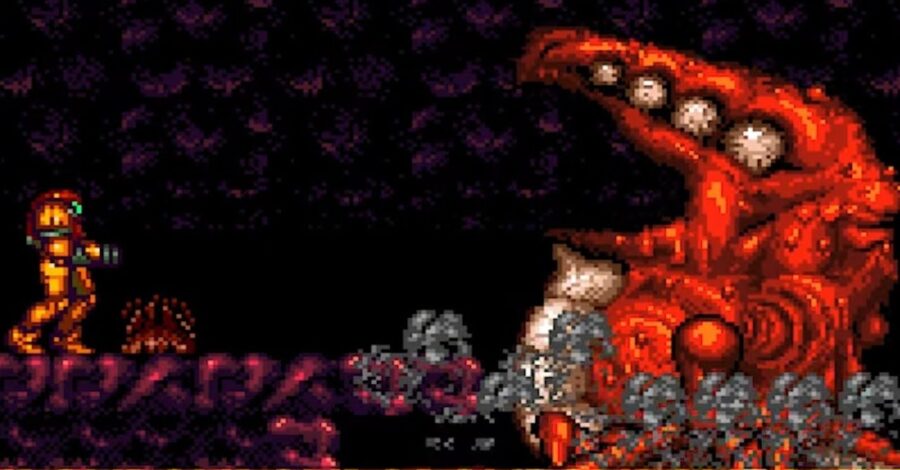
Some games age gracefully. Others sit in a museum case while we politely nod at their importance. Then there is Super Metroid snes, a game that still feels dangerous, clever, lonely, and shockingly modern every time you boot it up. Released in 1994 for the Super Nintendo, this is not just one of the best games on the system. It is one of the clearest examples of what happens when level design, atmosphere, control, music, and pacing all lock together like pieces of alien machinery.
Super Metroid is the kind of game that makes you remember why exploration matters. It does not beg for your attention with constant tutorials or flashy interruptions. It drops Samus Aran onto the surface of planet Zebes, shuts the door behind her, and trusts you to be curious. That trust is a huge part of why the game remains so beloved decades later.
History and Legacy
Super Metroid arrived as the third main entry in Nintendo’s Metroid series, following the original NES game and Metroid II on Game Boy. At the time, the series already had a strong identity: isolated exploration, hidden upgrades, sci-fi dread, and the iconic bounty hunter Samus Aran. But Super Metroid refined those ideas into something much more confident.
The story picks up after Samus delivers the last Metroid larva to the Galactic Federation. Naturally, peace lasts about five minutes. Space pirate leader Ridley attacks the research station, steals the infant Metroid, and retreats to Zebes. From that simple setup, the game sends you into one of the most expertly built worlds in 16-bit history.
What is wild is how much of the so-called “Metroidvania” formula is already fully formed here. Backtracking is not padding. Upgrades are not just rewards. The map is not a checklist. Everything is connected. Every new ability changes how you understand old rooms. Super Metroid did not invent every ingredient, but it perfected the recipe so well that developers are still borrowing from it today.
Gameplay: Exploration That Actually Rewards Your Brain
The heart of Super Metroid snes is exploration, and it is handled with almost surgical precision. Zebes is split into distinct regions like Brinstar, Norfair, Maridia, and Wrecked Ship, each with its own mood, hazards, enemies, and secrets. You might find a door you cannot open, a tunnel too small to enter, a pool of acid blocking your path, or a suspicious wall begging to be bombed. Later, when you return with the Morph Ball, Super Missiles, Grapple Beam, Gravity Suit, or Space Jump, those barriers become invitations.
Samus feels fantastic once you settle into the rhythm. She can run, jump, shoot in multiple directions, roll into a ball, plant bombs, wall jump, charge shots, and eventually tear through rooms like a sci-fi wrecking ball. The controls have a bit of 16-bit weight to them, especially compared to later entries, but that weight gives the game texture. You are not piloting a floaty cartoon hero. You are maneuvering a heavily armed bounty hunter through hostile alien ruins.
The upgrade loop is dangerously addictive. A missile tank hidden behind a cracked block. An energy tank tucked just out of reach. A new beam that turns enemies from threats into target practice. Super Metroid constantly whispers, “Try that wall. Jump there. Come back later.” The best part is that many secrets are discoverable through observation rather than random guessing. The game teaches you its visual language, then rewards you for paying attention.
Boss Fights and Set Pieces
Boss battles are memorable without overstaying their welcome. Kraid is enormous and intimidating. Phantoon turns the haunted Wrecked Ship into a nightmare. Draygon is weird, slippery, and satisfying once you learn the trick. Ridley, of course, is pure pressure, flapping around like a furious dragon with a personal grudge. These fights are not just health bars with sprites attached. They punctuate exploration and make your growing arsenal feel necessary.
The opening escape from the research station and the final sequence are still masterclasses in tension. Super Metroid knows when to be quiet, when to explode, and when to let the player feel heroic.
Graphics: 16-Bit Atmosphere at Its Best
Super Metroid is not the most colorful SNES game, and that is exactly the point. Its palette is moody, organic, metallic, and often unsettling. Zebes feels damp, ancient, and alive. Brinstar has alien plant life and strange caverns. Norfair glows with heat. Maridia feels submerged and oppressive. The Wrecked Ship is one of the most atmospheric areas on the console, using darkness, silence, and ghostly enemies to create genuine unease.
Samus herself is beautifully animated. Her running stride, aiming poses, damage reactions, and transformation into Morph Ball form are all instantly readable. Enemy designs are equally strong, from tiny crawling pests to massive bosses. The art direction is doing more than showing off; it is communicating. You can often tell whether a room is safe, hostile, important, or suspicious just by looking at it.
There are occasional moments where the screen gets busy, and some environmental details can blend together until you learn what to look for. But as a visual world, Super Metroid remains stunning because it has identity. It does not look “old” so much as deliberately stylized.
Sound and Music: Lonely, Alien, Unforgettable
The sound design is a massive reason this game works. Super Metroid is not packed with constant heroic music. It uses silence and ambient noise like weapons. The hiss of doors, the thud of Samus landing, the strange cries of enemies, and the pulsing hum of alien chambers all make Zebes feel hostile and real.
The soundtrack by Kenji Yamamoto and Minako Hamano is legendary for good reason. Themes are eerie, tribal, mechanical, mournful, and triumphant in just the right places. The Brinstar jungle theme feels like discovery. Lower Norfair sounds like descending into hell. The boss themes crank up the panic without becoming noise. And the ending music? Still goosebumps.
What impresses me most is restraint. The game is confident enough to let you walk through empty corridors with only environmental sound. That loneliness is essential. You are not on a guided tour. You are alone under the surface of an enemy planet, and the audio never lets you forget it.
Difficulty: Tough, Fair, and Wonderfully Unforgiving
Super Metroid is not brutally hard in the arcade sense, but it absolutely expects you to engage. It does not plaster objective markers everywhere. It does not stop to explain every mechanic. If you are used to modern games telling you exactly where to go, your first run may involve getting lost. Honestly, that is part of the magic.
The difficulty comes from navigation, observation, and resource management as much as combat. You need to remember locked doors, suspicious blocks, and areas that seemed impossible earlier. Bosses can punish sloppy play, especially if you have skipped optional energy tanks or missile expansions. Some techniques, like wall jumping and shinesparking, can feel strange at first, but mastering them opens up the game in thrilling ways.
What keeps the challenge fair is that progress almost always feels earned. When you finally realize how two areas connect, or when a new item makes an old obstacle trivial, you feel smart. The game respects the player enough to let confusion happen, but not so much that it becomes cruel. Save rooms are placed sensibly, and the map system, while basic by modern standards, gives just enough structure to keep you from feeling completely abandoned.
What Holds Up and What Shows Its Age
The level design, mood, pacing, and upgrade system hold up almost flawlessly. Super Metroid snes still delivers that incredible feeling of becoming more powerful while also becoming more knowledgeable. Your first trip through Zebes is cautious and uncertain. By the end, you are blasting through old dangers like you own the place.
That said, a few details reveal the game’s age. Weapon switching can be clunky, especially when cycling through missiles, Super Missiles, Power Bombs, and beams in tense moments. The wall jump timing is famously awkward until it clicks. Some hidden paths can be obscure enough to frustrate new players. But none of these issues sink the experience. If anything, they are small scratches on a legendary suit of armor.
Final Verdict
Super Metroid is a masterpiece, and not in the lazy “old game everyone says is important” way. It is still exciting to play. It is still atmospheric. It still teaches modern games lessons about trust, pacing, and environmental storytelling. Few adventures make backtracking feel this satisfying, and fewer still create such a strong sense of place with so little dialogue.
If you own an SNES, collect retro games, or simply care about the history of action-adventure design, Super Metroid snes belongs near the top of your list. It is tense without being exhausting, clever without being smug, and cinematic without constantly taking control away from you. Samus does not need a speech to be iconic. Zebes does not need quest markers to be unforgettable.
Decades later, Super Metroid still has teeth. It is not just a classic. It is a reminder that great game design does not expire.
Buy Super Metroid snes on eBay
Looking for a copy of Super Metroid snes?
View current eBay listings